
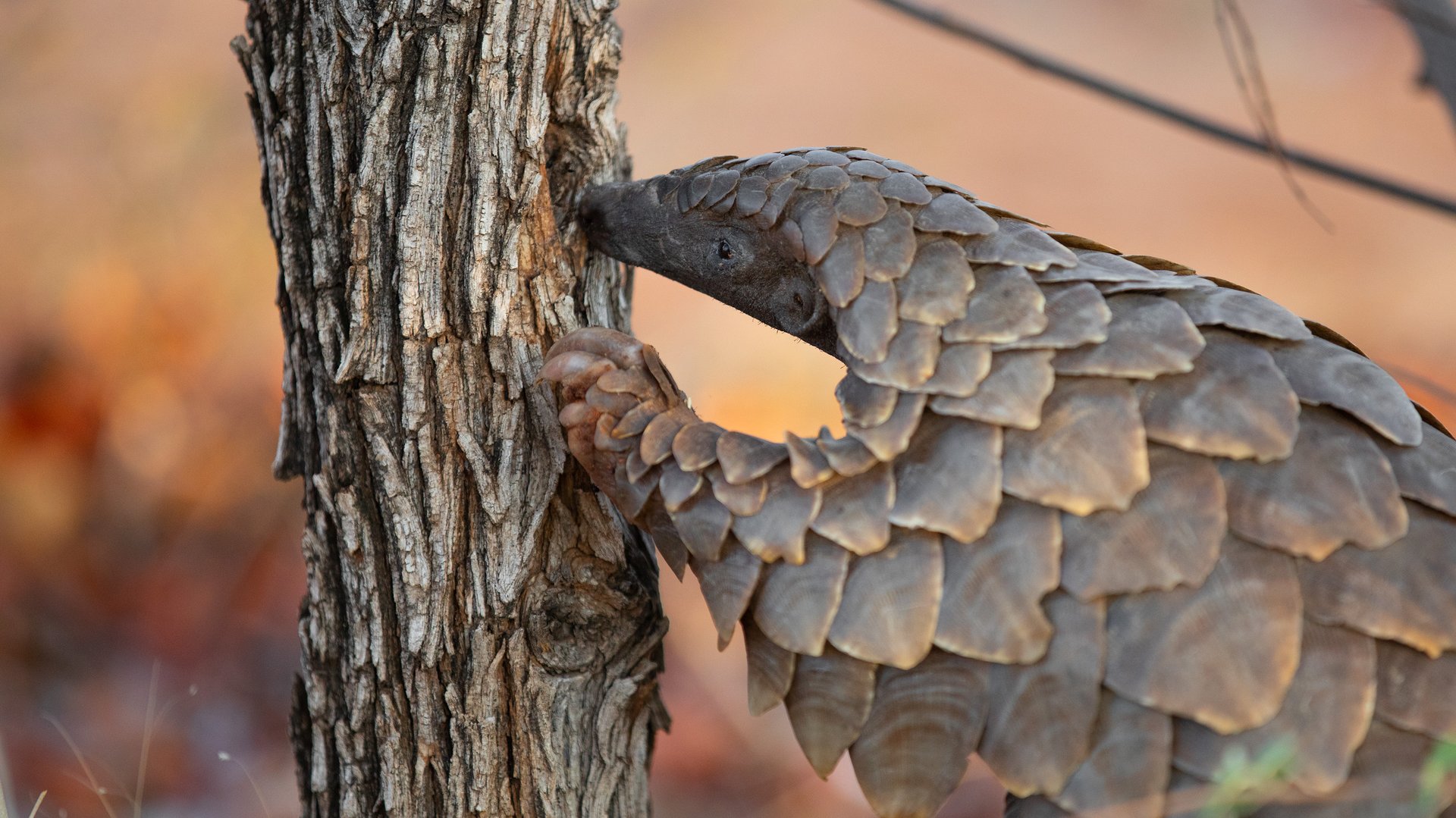
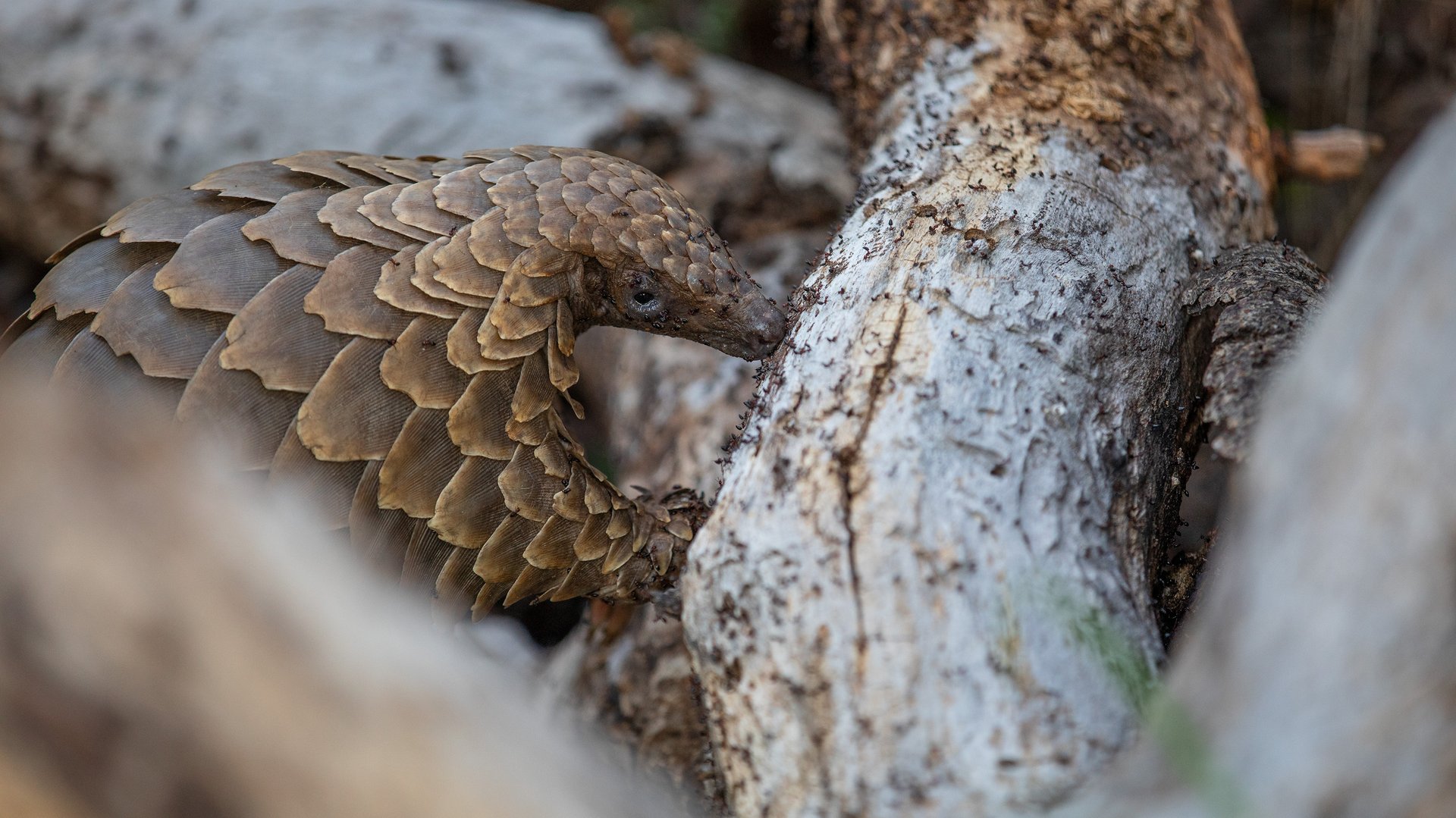
Temminck's pangolin in its natural habitat

Pangolin Africa Initiative

Creating safe places for South Africa's pangolins

A Place for Pangolins brings together landowners and caretakers of wild areas to turn their properties into safe places for pangolins to live and move freely, building a shared network of guardians working to protect these threatened animals now and for generations to come.

Why you should register

If you own or manage land within South Africa's pangolin range state, we want to hear from you. Our mission is to build a network of like-minded landowners and custodians to work together to secure the survival of this enigmatic species.

By completing the application process, you are telling the world that you are committed to this cause and to improving the welfare of pangolins.

Once approved as 'A Place for Pangolins', your property will form a part of a growing network of landowners and managers committed to protecting pangolins and improving conservation practices across their natural range.

Temminck's pangolin in its natural habitat

Four pillars of accreditation

Every potential property undergoes a structured assessment based on location, participation, education and reporting & research.

Location

A property may be considered a Place for Pangolins where pangolins are known or reasonably likely to occur, and the property provides suitable habitat for the species. Private game reserves, community conservancies, state-protected areas, and commercial farmland with suitable ecological profiles are all eligible for assessment.
Participation

Places are expected to support research and mapping activities that benefit pangolin conservation. Relevant information submitted during the application process may be shared with conservationists and other appropriate partners working within pangolin range areas.

Conduct

A Place for Pangolins properties are expected to follow responsible and ethical practices that support pangolin conservation and welfare. Education resources, guidance and support are available at any stage to help properties improve the practices and build awareness among those working and living in these areas.

Vigilance

A registered Place for Pangolins agrees to assist with ongoing reporting of pangolins recorded and seen on its property. This includes reporting of sightings, mortalities, and incidences of poaching and trafficking or within local communities.

Benefits of becoming
A Place for Pangolins

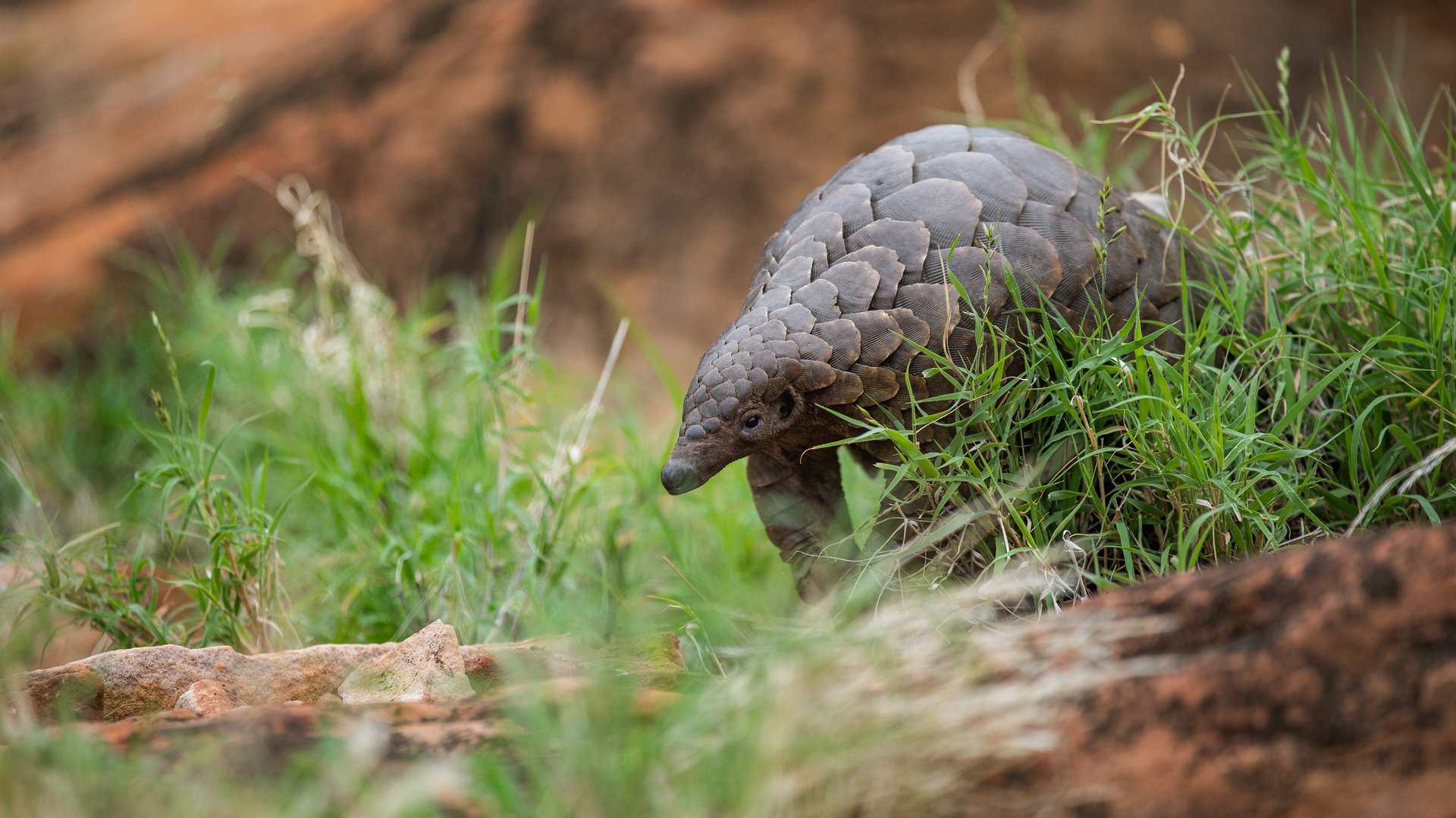
Temminck's pangolin in its natural habitat
  • An extensive suite of marketing materials to showcase your commitment to this initiative
  • Ongoing support and training materials for your staff regarding pangolins
  • Provide crucial data to researchers to help further our understanding of pangolins
  • Opportunity to opt in to the pangolin release site registry
  • Helping safeguard the most trafficked mammal in the world
Register Now

How accreditation works

A structured online registration process designed to build a national network of pangolin-safe properties.

Phase 1

First, we need to establish exactly where your property is located and whether or not it is within a pangolin range state. Properties from all sectors — i.e. hunting, tourism, farming — are welcome to register.

Phase 2

Next, we need to have a more informed insight as to the size and shape of your property, as well as the fencing infrastructure. It's a sad fact that fences often pose a greater threat to pangolins than poaching or trafficking, but there is no national database of fences. There are no wrong answers in this phase, but by helping us piece together the patchwork of properties across the Pangolin range states, you will be doing an invaluable service to conservationists.

Phase 3

Finally, you will need to adopt the standardised pangolin guidelines. It is our intention that all registered Places for Pangolins follow the same guidelines to help safeguard pangolin welfare. By registering your property as a Place for Pangolins, recording pangolin occurrences and keeping this information up to date, you will also contribute to ongoing monitoring and research of pangolin populations.

Ongoing

Once accredited as a Place for Pangolins, accreditation will be renewed annually, and places are encouraged to update their information annually. As properties develop and evolve, it's important that we have the most up-to-date information. An accredited place can then "opt in" to be added to the Pangolin release sites database.

Ready to register your place for Pangolins?

Join landowners, communities, and reserve managers committed to pangolin conservation for future generations.